
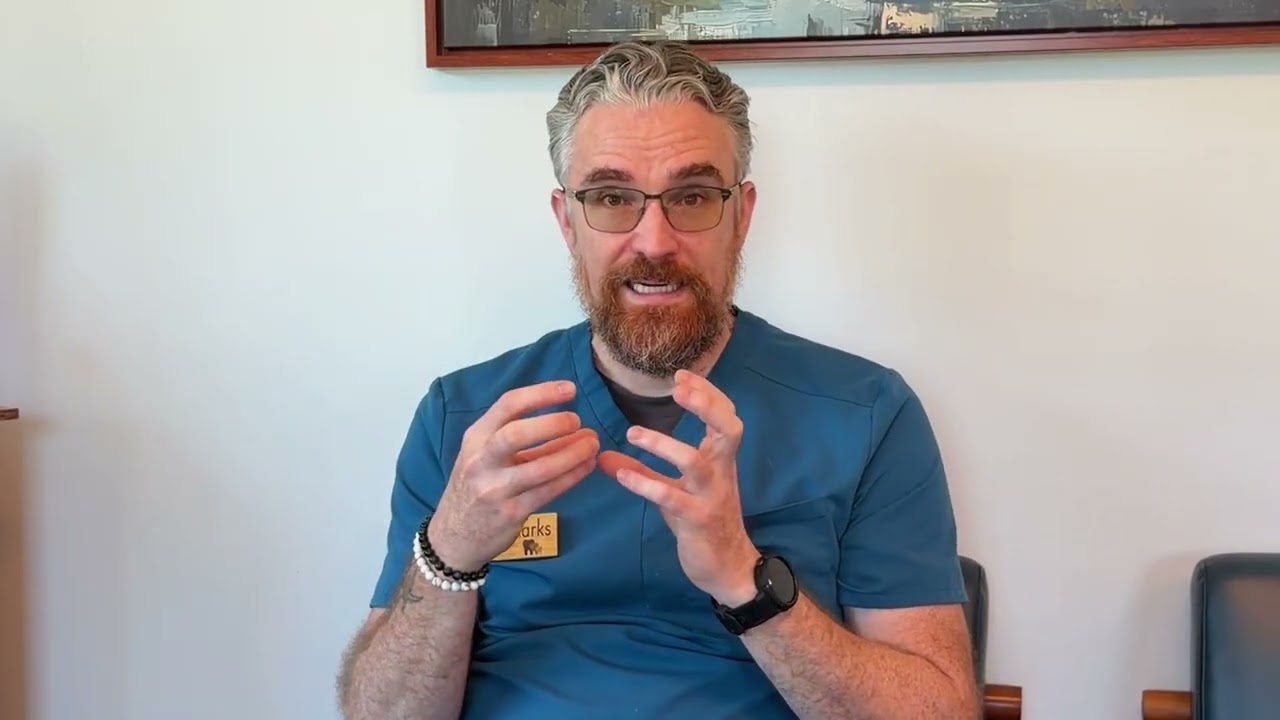
What is your response to concerns about fluoride causing health problems?
My response to that is usually that the dose matters. Like many substances, fluoride can cause problems at excessive levels. The fluoride products we use in dentistry are intended to provide a dental benefit when they're used appropriately and according to recommended amounts.
What is fluoride, and where is it found?
Fluoride is a naturally occurring mineral. It's found in water, soil, and other parts of the environment. Some well water naturally contains fluoride, although the amount can vary considerably depending on the water source.
How was the connection between fluoride and teeth discovered?
One of the early observations that helped researchers understand fluoride's effects on teeth came from Colorado. A dentist noticed that many residents had brown staining or mottling on their teeth but appeared to have fewer cavities. Further investigation eventually connected those changes to naturally high levels of fluoride in the local water supply.
What can happen with too much fluoride?
Too much fluoride exposure while the teeth are developing can cause dental fluorosis. Fluorosis can range from subtle white changes in the enamel to more noticeable discoloration and surface changes when exposure is more excessive.
That's why the amount of fluoride matters. We want enough exposure to provide a cavity-prevention benefit without unnecessary excessive exposure.
How does fluoride work in tooth enamel?
Tooth enamel is made largely of mineral crystals containing calcium and phosphate. Fluoride can interact with those minerals during the remineralization process and help form enamel that is more resistant to acid.
That's one of the main ways fluoride helps protect teeth. It supports the remineralization of weakened enamel and makes the tooth surface more resistant to the acid challenges that contribute to cavities.
How does fluoride help protect enamel from acid?
Fluoride can make enamel more resistant to acid and help reduce mineral loss when the teeth are exposed to acidic conditions. It's not a silver bullet, but it can provide additional protection against the demineralization that contributes to tooth decay.
Bacteria in dental plaque can produce acids when they metabolize sugars and other fermentable carbohydrates. Fluoride is one of the tools we use to help protect the teeth against that repeated acid exposure.
Your dental health matters to us, and we’re here to support you every step of the way. If you’re looking for expert dental care near Mathews, VA, call (804) 294-4362 or email [email protected] to learn more. Ready to get started? Schedule your appointment below.